

Water Damage Restoration Cost in Kenosha, WI
In Kenosha, spring snowmelt and seasonal rainfall often overwhelm basement drainage systems, and the cost to restore water damage depends entirely on what an independent local provider discovers during their inspection. Acting quickly—before saturation spreads to framing, insulation, and structural materials—typically keeps the scope of work contained and limits what needs attention.
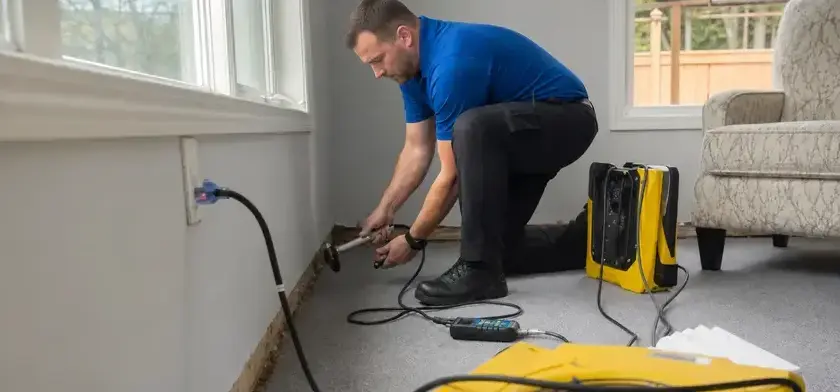

Water Damage Restoration Cost in Kenosha: What Drives It
Property owners throughout Kenosha face a significant water damage risk tied to the region's seasonal patterns. Spring snowmelt combined with heavy seasonal rain can overwhelm drainage systems and cause basement flooding, one of the most common water emergencies in the area. When water enters a home or business, understanding what restoration will cost depends entirely on the scope of the damage—how much area is affected, which materials absorbed water, and how quickly the property owner acts. The cost of water damage restoration in Kenosha varies dramatically based on these factors, which is why getting a professional assessment from a local provider is the only way to know what you'll actually pay.
Dex Water Damage Restoration connects Kenosha property owners with independent local providers who inspect the damage thoroughly and explain the specific work and costs involved. The cost of your restoration depends on what type of water caused the damage, the square footage affected, which building materials got wet, how long the drying process will take, what equipment is needed, and whether structural components like drywall or flooring must be removed and replaced. The faster you contact a local provider after water damage occurs, the smaller the scope of work usually stays and the lower the overall restoration cost tends to be. When you're ready to understand what water damage restoration will cost for your property, a local provider in Kenosha can give you a clear picture after seeing the damage firsthand.
Why Kenosha Property Owners Call for Restoration Cost Help
Water Category Affects Scope
Clean water from burst pipes costs less to restore than gray water from appliances or black water from sewage. Contaminated water requires more aggressive removal, disinfection, and disposal. The source determines what materials can be salvaged and how quickly work must begin.
Area and Materials Drive Complexity
Water affecting 200 square feet of drywall and carpet costs differently than 2,000 square feet across multiple rooms and wood subfloors. Wet insulation, cabinetry, and structural wood need specialized handling. The more area and material types involved, the larger the restoration scope becomes.
Drying Time and Equipment Needs
A small, quickly dried area requires fewer dehumidifiers and air movers than deep structural saturation needing weeks of equipment operation. Concrete, masonry, and cavities within walls hold moisture longest. Extended drying time increases labor and equipment costs proportionally.
Basement Flooding From Spring Thaw
Kenosha homes with full basements face heightened risk when spring snowmelt and seasonal rainfall overwhelm drainage systems, causing basement seepage or sump pump failure. Water entering from outside or below ground affects different materials and drying strategies than interior leaks, expanding the scope of restoration work needed.
How Your Water Damage Restoration Cost Is Estimated in Kenosha, WI
From your first call to the final invoice, the goal is simple: understand what is driving Water Damage Restoration Cost for your property before any work begins.
Request an On-Site Estimate
Call Dex Water Damage Restoration to describe what happened and connect with an independent local provider in Kenosha. The provider will schedule a time to inspect the damage and determine what water damage restoration will cost based on the scope of work needed.
Get a Detailed Cost Assessment
The independent provider inspects the affected area to measure square footage, identify which materials absorbed water, determine water category (clean, gray, or black), and assess whether structural removal or extended drying equipment is necessary. These findings—plus how quickly the work begins—directly shape water damage restoration cost.
Review the Estimate Before Work Begins
The provider delivers a detailed estimate explaining what water damage restoration will involve and why, including drying time, equipment needs, and any material replacement required. You review the estimate before approving any work, so you understand the cost drivers before the independent provider starts.
Wondering about Water Damage Restoration Cost in Kenosha? Get an on-site estimate from a local provider.
Call Now — (262) 447-8222Water Damage Restoration Cost Factors in Kenosha
Kenosha's climate and construction patterns create specific conditions that shape water damage restoration cost. Most homes in the area are built with full basements—a necessary design for Wisconsin's deep frost line—and this foundation type makes basement seepage and sump pump failures particularly common concerns. When heavy seasonal rain combines with spring snowmelt, drainage systems can become overwhelmed, leading to basement water intrusion. The extent of water damage restoration cost depends directly on how quickly property owners respond: water that sits in a basement for days causes far more damage to foundation walls, flooring, stored items, and structural materials than water addressed within hours. Speed limits the scope of work and the amount of equipment and time needed to dry the space thoroughly.
Beyond timing, the cost of water damage restoration is driven by five key factors: the type of water involved (clean water from a burst pipe costs less to handle than contaminated water from a failed sump pump or drainage backup), the square footage and materials affected (drywall, wood framing, carpeting, and cabinetry each require different removal and drying approaches), how long the drying process will take based on humidity and air movement, whether structural elements or finishes must be removed and rebuilt, and whether mold has begun to develop. Properties in neighborhoods like Downtown Kenosha and Library Park, where both older and newer homes are mixed, may face different timelines and material costs depending on construction age and basement finish level. A licensed, independent local provider will assess these factors on-site to determine the actual scope of restoration work your property requires.
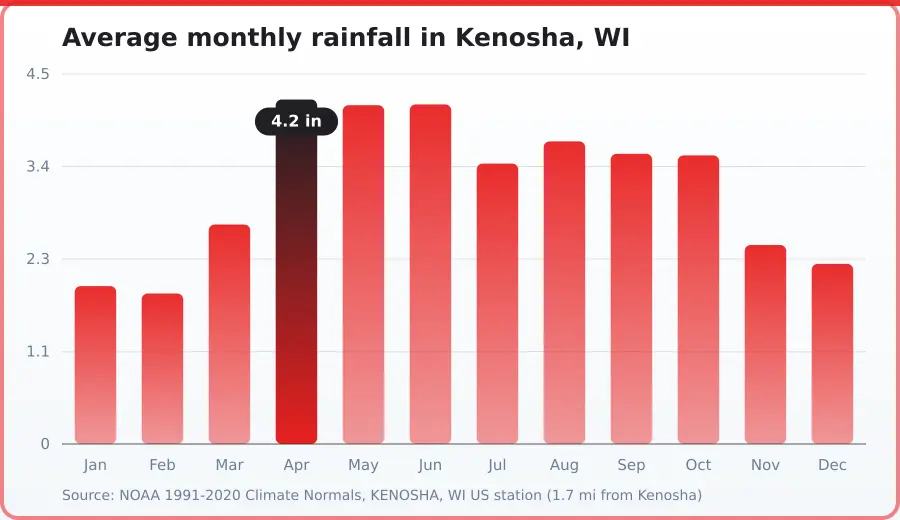
| Period | Monthly rainfall (in) |
|---|---|
| Jan | 1.9 |
| Feb | 1.8 |
| Mar | 2.7 |
| Apr | 4.2 |
| May | 4.1 |
| Jun | 4.1 |
| Jul | 3.4 |
| Aug | 3.7 |
| Sep | 3.5 |
| Oct | 3.5 |
| Nov | 2.4 |
| Dec | 2.2 |
Source: NOAA 1991-2020 Climate Normals, KENOSHA, WI US station (1.7 mi from Kenosha). Retrieved October 27, 2026.
Seasonal Water Damage Restoration Costs in Kenosha
Spring: Snowmelt and Seepage
Spring thaw and heavy seasonal rain overwhelm drainage systems in Kenosha's full basements, triggering seepage and sump pump failures that drive restoration costs upward. Fast response prevents water from saturating foundation walls and subflooring, keeping the scope and expense manageable. Dex connects property owners to local providers who assess damage extent and necessary drying equipment immediately.
Summer: Heat and Humidity Challenges
Summer heat slows evaporation indoors after water intrusion, extending drying time and increasing equipment rental costs. Humidity also accelerates mold formation if wet materials remain untreated, expanding the restoration scope and labor required. Quick action reduces both drying duration and the risk that mold remediation becomes necessary alongside water damage restoration.
Fall: Clogged Drains and Saturation
Fall leaves clog gutters and drainage systems across Library Park and other Kenosha neighborhoods, causing water to back up into walls and attics during heavy rain. Restoration costs rise when water sits in insulation, drywall, and structural cavities for days. Dex helps property owners connect with local providers who remove saturated materials, dry affected areas thoroughly, and prevent secondary damage.
Winter: Freeze-Thaw and Pipe Failure
Wisconsin winter cold creates freeze-thaw cycles that crack pipes and cause sudden flooding inside homes, often affecting multiple rooms and structural materials. Restoration costs depend on how quickly the water stops flowing and drying begins; prolonged exposure means more drywall removal, flooring replacement, and equipment time. Dex links property owners to nearby providers who respond fast to minimize the area and materials involved in restoration.
Homeowner Safety Toolkit
Verify Your Kenosha, WI Water Damage Restoration Company
Before you hire anyone, use these independent national resources to confirm credentials, standards, and track record.
IICRC
Sets the technical standards for water damage restoration. Confirm a company's technicians hold real, current IICRC certification before you hire them.
Verify CertificationBBB
Look up any restoration company's complaint history, customer reviews, and accreditation status — a free, independent check before you hire.
Check StandingRIA
A national trade association whose member companies agree to a written code of ethics covering honest estimates, safety, and fair billing.
Code of EthicsWater Damage Restoration Cost FAQs — Kenosha, WI
The primary cost drivers include the category of water involved, the size and materials of affected areas, how long drying takes, and whether structural repair is needed. Basement water damage often involves drywall, flooring, and stored items—each adding to the scope. A local restoration provider's on-site inspection determines which factors apply to your property and sets the restoration cost accordingly.
Prompt action limits water absorption into materials, reducing the area requiring drying and restoration. Standing water can damage structural components, flooring, and personal property—extending the project scope and increasing expenses. The sooner a restoration provider begins assessment and mitigation, the fewer materials typically need full replacement, which directly lowers the total restoration cost.
A local restoration provider conducts an on-site inspection to assess water extent, affected materials, moisture levels, and drying requirements. Based on these findings, the provider develops an estimate that reflects the actual scope needed for your property. This direct evaluation—not generic pricing—ensures the restoration cost matches your specific situation.
Insurance coverage varies by policy and the water damage source. Some policies cover sudden water events while excluding gradual seepage; others have specific limits. Review your policy details and contact your insurer before restoration begins. A local provider can often work with your insurance claim process, though coverage decisions remain between you and your insurer.
Dex Water Damage Restoration connects you with independent local restoration providers in the Kenosha area who can typically dispatch for an on-site inspection within hours of your call. A quick connection to a nearby provider accelerates the assessment process, allowing you to understand restoration costs sooner and begin mitigation before additional damage occurs.
Seasonal weather patterns influence both the likelihood and scope of water damage in this region. Spring snowmelt combined with heavy rain can overwhelm drainage systems, leading to basement water intrusion—a common concern for homes with full basements here. When multiple properties require restoration simultaneously, availability of providers may shift, but the cost remains based on your property's specific damage and drying needs.
Questions about Water Damage Restoration Cost in Kenosha, WI? Call (262) 447-8222 to arrange a local on-site estimate.
Call Now — (262) 447-8222Areas We Serve Near Kenosha, Wisconsin
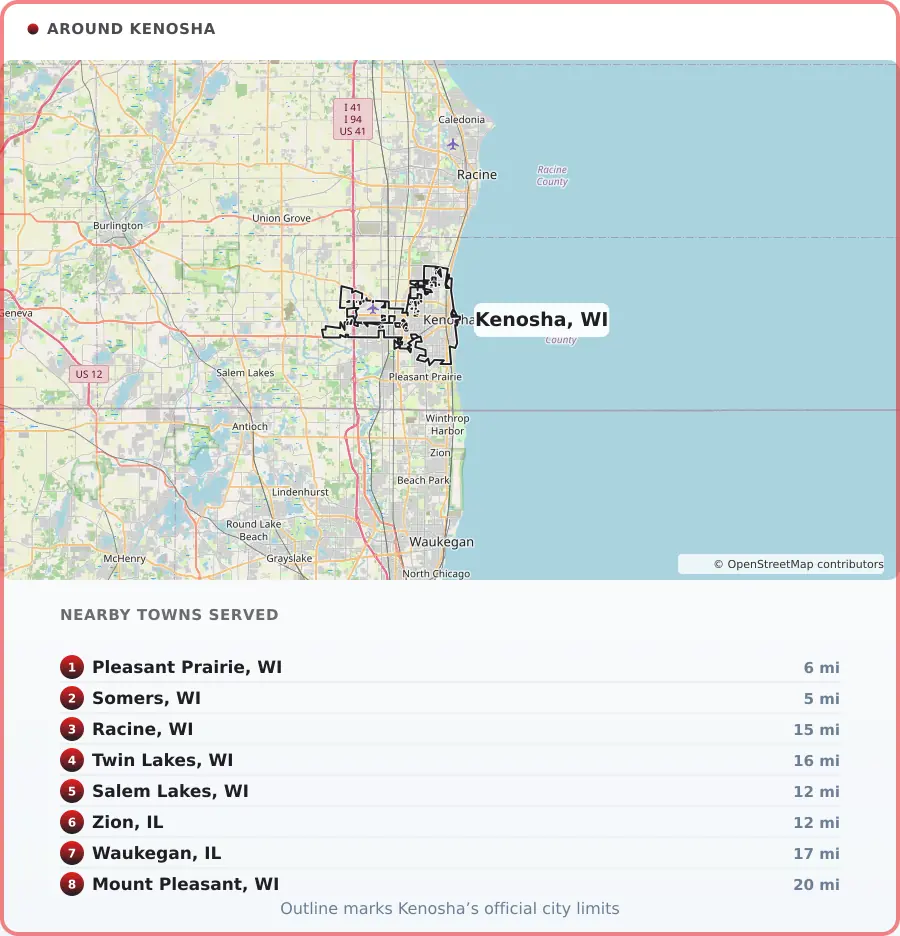
Based in Kenosha, WI, with 8 nearby communities inside the service area — near enough to reach quickly, not just listed on a map.
Kenosha, WI Information
Kenosha, WI sits along Lake Michigan's southern Wisconsin shoreline, a city of roughly 99,600 people with a working identity built on making and moving things. Snap-on and Jockey International still call it home, a reminder of its deep manufacturing roots, while newer logistics giants like Amazon and Uline have turned the I-94 corridor into a modern distribution hub. Healthcare and education round things out, with Froedtert South, Aurora Health Care, and Gateway Technical College among the steady local employers.
The character shows in its neighborhoods, too — Downtown Kenosha's lakefront energy feels a world apart from the quieter, tree-lined streets of Washington Park, yet both reflect the same practical, community-first spirit that defines this corner of southeastern Wisconsin.
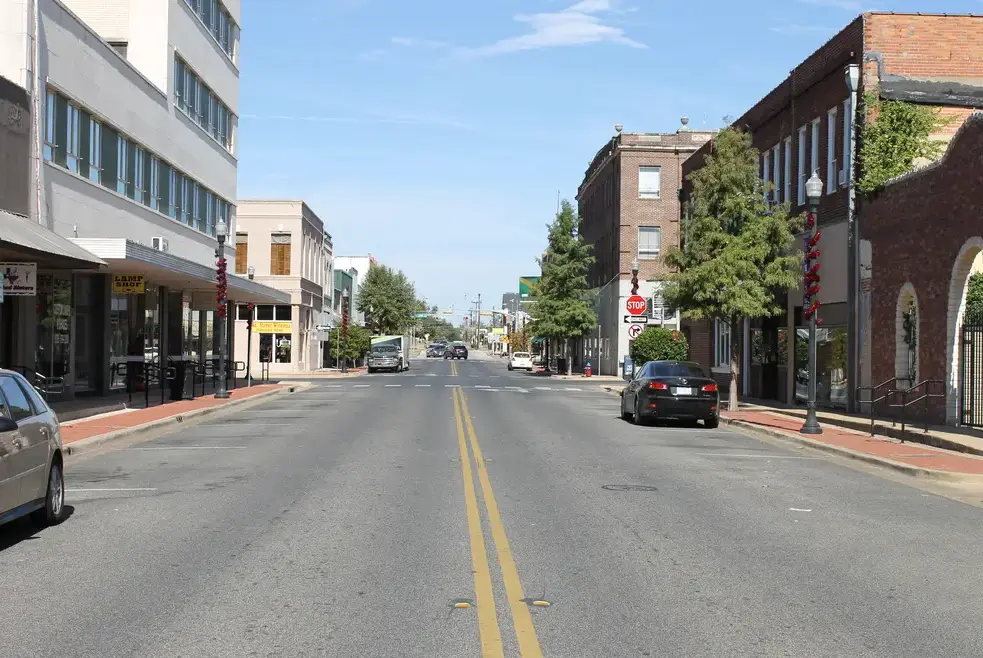
Photo: Billy Hathorn, CC BY-SA 3.0